Loading...
Your backyard gets avoided all summer because there is no shade. We build pergolas in Port St. Lucie that are properly permitted, anchored to Florida wind standards, and designed to make your outdoor space livable again.
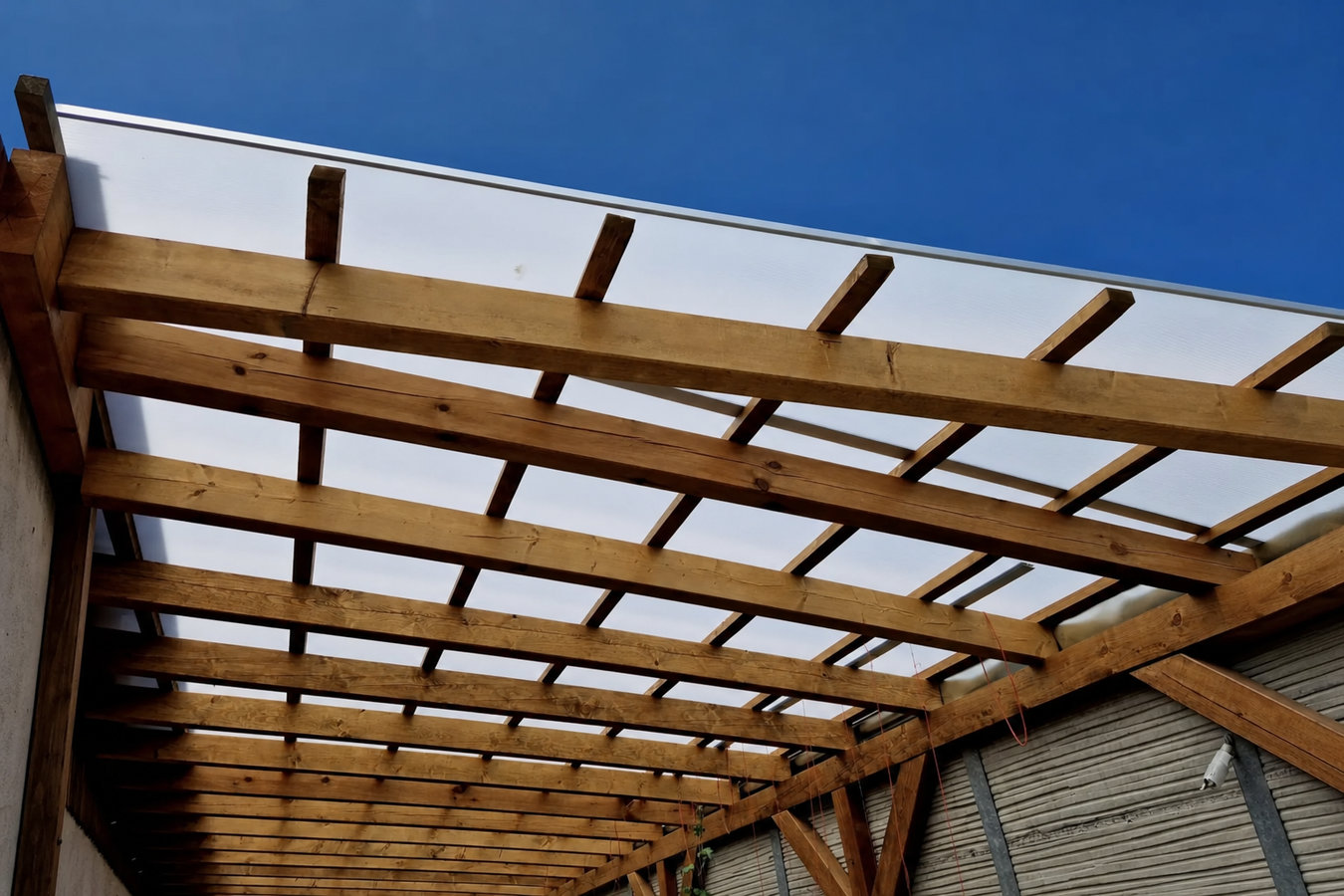
Pergola installation in Port St. Lucie involves setting posts in concrete footings, attaching horizontal beams and cross-rafters, and anchoring the whole structure to meet Florida's wind-load requirements - most residential pergolas take one to three days to build once the permit is approved.
If you spend half the year avoiding your own backyard because the afternoon sun turns it into an oven, a pergola is what changes that. Port St. Lucie averages over 230 sunny days a year, and without overhead shade, a concrete patio or open deck is often too hot to use from late May through September. A pergola defines the space, drops the temperature of the area below it, and gives you a structure you can add lighting, fans, or screening to over time. Many homeowners find that once the pergola goes in, they start thinking about pairing it with a covered patio on an adjacent area to create a full outdoor living zone.
Homeowners in Port St. Lucie also need to think about permits and HOA approval before any work starts. The City of Port St. Lucie Building Division requires a permit for most pergola installations, and many neighborhoods have HOA rules that must be satisfied separately. A good local contractor handles both so you are not left navigating that paperwork on your own.
If stepping outside in the afternoon means immediately retreating back inside, your outdoor space is not working for you. Port St. Lucie's intense sun makes unshaded patios nearly unusable from late spring through early fall. A pergola can drop the temperature of your outdoor seating area noticeably and make it a place you actually want to spend time.
Florida's UV exposure is among the strongest in the country, and direct sun breaks down outdoor furniture, cushions, and even concrete surfaces over time. If you are replacing patio furniture more often than you would like, adding overhead shade is a practical fix - not just an aesthetic one.
If you have a concrete slab, a deck, or a grassy area that you rarely use because it does not feel like a real room, a pergola can change that. Defining the space with a structure makes it feel intentional and inviting, and most homeowners find they use the area far more once overhead framing goes in.
If a previous hurricane season left your existing pergola or shade structure leaning, cracked, or structurally compromised, it is time to replace it rather than patch it. An older structure that was not built to current Florida wind standards may not be safe to keep standing, and a new installation will be engineered to hold up better in future storms.
We build both attached and freestanding pergolas. An attached pergola connects to your home's exterior wall with a ledger board and feels like a natural extension of the house - the most common setup in Port St. Lucie neighborhoods where the patio sits directly behind the back door. A freestanding pergola stands on its own four or more posts anywhere in the yard and gives you more flexibility on placement, including over a pool deck or garden seating area. Material choices range from pressure-treated wood, which looks warm and natural but needs periodic sealing in Florida's climate, to aluminum and vinyl systems that require almost no upkeep. We handle all permit applications with the City of Port St. Lucie Building Division and guide you through HOA architectural review when your neighborhood requires it.
Homeowners who are planning a more complete outdoor setup often combine their pergola with an outdoor kitchen deck - the pergola creates the shaded overhead frame, and the kitchen below becomes a fully functional cooking and entertaining area. Every pergola we build uses concrete footings dug to the depth the soil and structure require, posts checked for plumb before beams go on, and fasteners rated for South Florida's wind and humidity conditions. Nothing about the installation is rushed, because a post that shifts after a storm is not a small repair.
Best for homeowners who want a warm, natural look and are willing to seal or stain the wood every few years to keep it in good shape in the Florida climate.
Best for homeowners who want low maintenance, no rot risk, and a structure that holds up in Port St. Lucie's heat, humidity, and storm seasons without annual upkeep.
Best for homeowners who want shade over a specific area - a pool deck, a garden, or a corner of the yard - without connecting the structure to the house.
Best for homeowners who want adjustable shade - motorized or manual louvers let you control how much sun comes through depending on the time of day.
Port St. Lucie sits in a wind zone where every outdoor structure has to be designed to withstand tropical storms and hurricanes - not just look solid, but actually be engineered for it. The City of Port St. Lucie Building Division requires permits and inspections for most pergola installations, and the permit process exists specifically to make sure the structure is safe before you start using it. Beyond the wind requirements, much of Port St. Lucie is built on sandy coastal soil that does not grip post footings the way denser ground does. Contractors need to dig deeper and use more concrete than they might elsewhere - and a very low bid is often a sign that footings are where corners are being cut. We serve homeowners throughout Port St. Lucie and regularly build pergolas in Hobe Sound and the surrounding Treasure Coast communities, where the same climate conditions and building requirements apply.
HOA governance is also a real factor in Port St. Lucie. A large share of the city's residential neighborhoods - including planned communities in the western part of the city - have architectural review requirements that run as a separate process from the city permit. Some associations require written approval before a permit can even be submitted. Homeowners in Palm City and adjacent communities face similar HOA dynamics. We know these processes and ask about your HOA situation at the very start of every project, so there are no surprises after work begins.
Reach out by phone or through our contact form. We reply within one business day. Tell us what you have in mind - attached or freestanding, rough size, whether you have an HOA - and we can usually give you a realistic ballpark before anyone drives to your property.
We visit your home to measure the space, check the ground conditions, and talk through your material and style options in person. You leave the meeting with a written estimate and a clearer picture of what the finished project will look like - no vague ranges.
Before any work starts, we submit the permit application to the City of Port St. Lucie Building Division. If your neighborhood has an HOA, we help you understand what documentation they need and when to submit it. Permit review typically takes a few days to a couple of weeks - we keep you updated throughout.
Once permits are approved, the crew digs footings, sets posts in concrete, checks plumb, then attaches beams and rafters. Most standard pergolas are complete in one to three days. A city inspector then visits to confirm the work meets permit requirements - we schedule that for you and handle any follow-up.
We handle permits, HOA paperwork, and every step of the build. Call us or request a free on-site estimate - no pressure, no obligation.
(772) 281-0572Some contractors skip the permit to save time. We do not. Every pergola we build goes through the City of Port St. Lucie Building Division's review and inspection process. That means your structure is on record, your investment is protected, and you will not face problems when you sell your home or file a claim.
Sandy coastal soil does not grip post footings the way denser ground does. Our crews dig to the depth and diameter the soil and structure actually require - not the minimum that looks acceptable from the surface. That is what prevents a pergola from shifting after a storm or leaning over time.
We engineer every pergola to meet the wind standards required for structures in Port St. Lucie's wind zone. The connections between posts, beams, and anchors are specified for local conditions - not just what a contractor might use in a calmer part of the country. Your pergola is built to survive hurricane season, not just look good on a calm afternoon.
Many contractors skip asking about HOA requirements until it is too late. We ask at the first conversation, help you understand what documentation your association needs, and time the submission correctly. We build to the professional standards set by the North American Deck and Railing Association. You get a pergola your HOA approves - not one you have to defend.
Every one of these proof points comes down to the same thing: a pergola that holds up in Port St. Lucie's climate, passes its inspection, and looks exactly the way it is supposed to. That is the standard we hold every project to, whether it is a modest freestanding shade structure or a full attached pergola with motorized louvers and built-in lighting.
Combine your pergola with a built-in cooking and entertaining area - a purpose-built deck designed to hold appliances, countertops, and guests safely.
Learn MoreA fully roofed structure that blocks sun and rain entirely - the next step up from a pergola when you want complete weather protection.
Learn MorePort St. Lucie's busy season fills contractor schedules fast - reach out now to lock in your installation date and get a free, no-pressure estimate.