Loading...
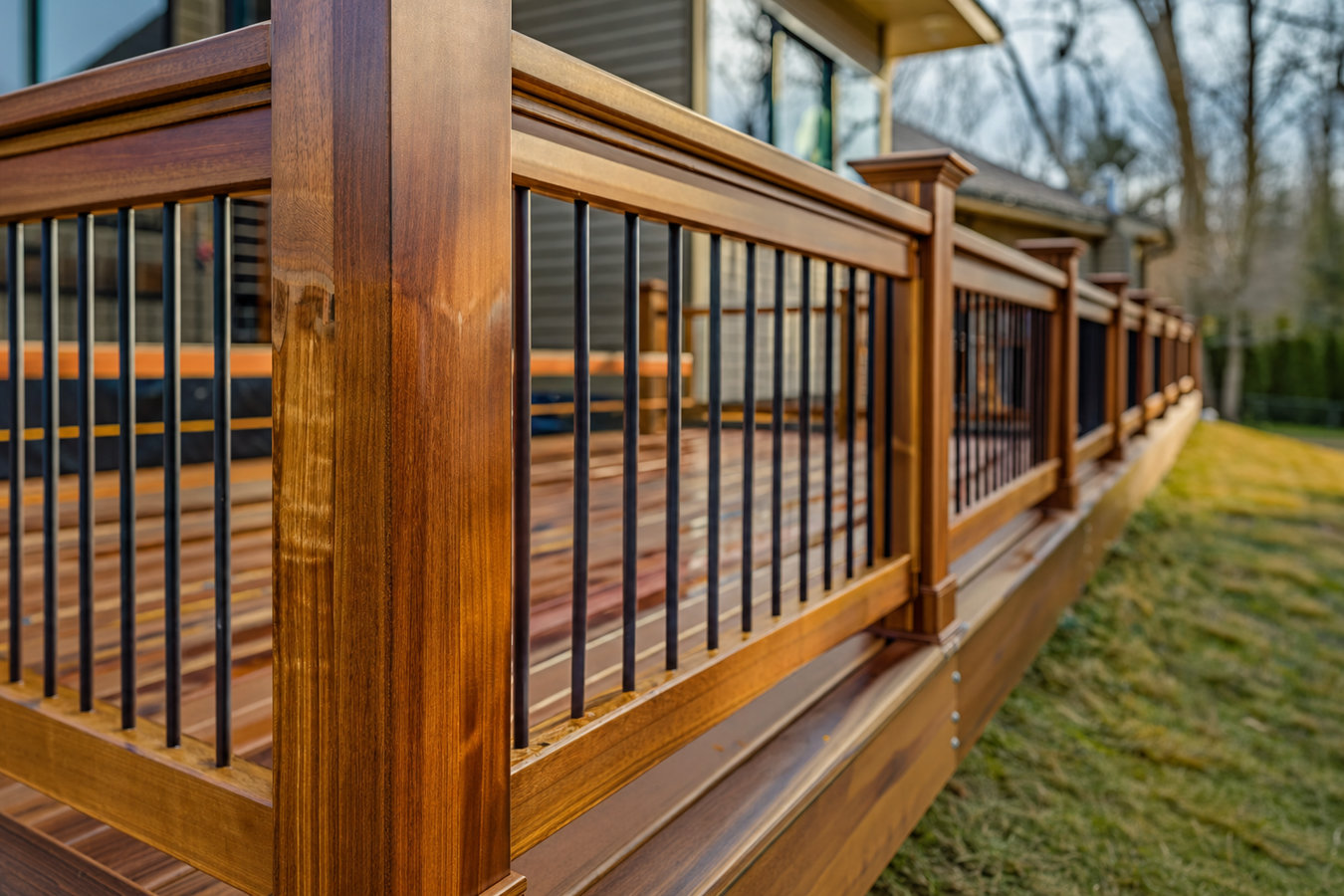
A railing that wobbles or rusts out in a couple of seasons is not a railing - it is a liability. We install deck railings in Port St. Lucie using materials built for Florida's climate, pull every permit, and build to the standards that pass county inspection the first time.
Deck railing installation in Port St. Lucie involves anchoring posts to your deck frame, attaching rails, and fitting the vertical balusters in between - most single-level decks are done in one to two days of work once the permit is approved.
The piece that homeowners most often underestimate is the post anchoring. Posts that are screwed into the decking boards themselves - rather than bolted into the structural frame below - will loosen over time, and in Port St. Lucie's wet-dry cycle they often do it faster than you would expect. Florida's building code requires railing heights of 36 inches for lower decks and 42 inches for higher ones, baluster spacing that keeps a small child from slipping through, and a graspable handrail on any stairway. A county inspector will check all of it before the permit is closed. If you are replacing an aging railing as part of a larger project - or building new - the work naturally connects to custom deck design and build so the railing system and the deck structure are planned and permitted together.
Port St. Lucie's combination of salt air, summer thunderstorms, and year-round humidity means material choice matters more here than it does in drier parts of the country. Aluminum and composite systems are our most common recommendation because they do not rot, do not need painting, and hold up through the wet season without the maintenance wood requires. The Consumer Product Safety Commission notes that deck failures - including railing failures - are among the most common causes of outdoor fall injuries, which is why county inspections exist and why getting the post anchoring right from the start matters.
Grab the top rail and push firmly from side to side. If it moves even a little, the posts are no longer anchored the way they should be. A railing that shifts under pressure is a fall hazard - especially for children and older adults. This is the single most reliable test you can do yourself without any tools.
In Port St. Lucie's salt-air environment, metal hardware that was not rated for coastal conditions can start corroding within a year or two. Rust streaks running down from post bases or bracket connections are a sign the fasteners are failing from the inside out. Surface rust you can wipe off is one thing - streaks that reappear after cleaning mean the corrosion is structural.
Florida's building requirements limit how wide the spaces between vertical railing pieces can be. If you can fit a standard soda can through the gap on its side, the spacing is likely too wide to meet current safety standards. This is especially important if you have young children or grandchildren visiting the deck regularly.
Port St. Lucie's combination of intense sun, heavy rain, and humidity is hard on wood that has not been sealed and maintained consistently. Press your thumb firmly against the base of a wood post - if it gives at all, the wood has started to rot from moisture. Cracking along the grain is another sign the material has dried and expanded too many times and is losing structural strength.
Every railing installation starts with the same foundation: posts anchored into the structural frame of the deck, not just the surface boards. That is the step that determines whether the railing holds up for ten years or starts to loosen after two. Post placement, spacing, and hardware selection are determined by the height of your deck, Florida's railing height requirements, and your material choice. We install aluminum, composite, and wood railing systems, with aluminum being our most frequently requested option for Port St. Lucie builds because it handles coastal humidity without rust or peeling paint. Homeowners who want an unobstructed view sometimes ask about cable railing for decks as well, though it is less common in this market than aluminum or composite. For homeowners dealing with an older railing that is past its life, replacement often pairs with deck repair and replacement work if the deck frame itself needs attention before new posts can be anchored properly.
Stair railings are a separate but connected part of most projects. Florida requires a graspable handrail running the full length of any stairway - a different standard from the deck railing itself - and county inspectors check for it. We build both at the same time so the permit covers the full scope of work and you are not left with a stairway that fails inspection after the main railing is already done. All fasteners and post bases we use are stainless steel or coated specifically for coastal outdoor exposure, rated by the North American Deck and Railing Association for this type of environment.
Best for homeowners who want a low-maintenance option that handles Florida's salt air and humidity without rust, painting, or regular upkeep.
Best for homeowners who want a wood-like appearance with the same low-maintenance performance as aluminum - no sealing, no painting, no rot.
Best for homeowners who prefer natural wood and are committed to the periodic sealing and maintenance that keeps wood performing in Florida's climate.
Best for decks with stairs, multi-level transitions, or wraparound designs where railing needs to follow corners and grade changes while meeting Florida's graspable handrail requirements.
Port St. Lucie averages over 60 inches of rain per year, and the summer months bring daily afternoon thunderstorms that soak outdoor structures repeatedly. That constant wet-dry cycle accelerates wear on wood and on any fasteners that were not chosen with this climate in mind. Standard galvanized hardware - fine in most of the country - can show rust in Port St. Lucie within twelve to eighteen months when it is near the water or in a neighborhood with regular salt air off the coast. Any hardware we use is rated specifically for coastal Florida exposure, which is not a premium upgrade here - it is the baseline. Homeowners in Tradition and similar communities also navigate HOA architectural review before railing work can begin, and those guidelines often specify acceptable colors and materials. We work in Tradition and neighboring communities regularly and know what the most common approval requirements look like.
Florida's hurricane season runs June through November, and Port St. Lucie has taken direct hits before - Hurricane Frances and Hurricane Jeanne both made landfall nearby in 2004. A railing that is anchored correctly into the deck frame will perform far better in wind than one where the posts were surface-mounted. Scheduling railing work in the late winter or early spring - before the surge that comes with hurricane season prep - also gives you faster service and more flexibility in timing. Homeowners across the water in Palm City face the same conditions, and our crews build to the same standard throughout the Treasure Coast area. The St. Lucie County Building and Code Regulation department requires permits and inspection for all railing work, and we have that process down from years of working here.
We ask how long the railing run is, whether you have stairs, what material you are thinking about, and whether you have an HOA. This helps us show up to your home prepared. Most Port St. Lucie homeowners get a visit scheduled within a few days. We reply within 1 business day.
We walk your deck, measure the total linear footage, check the existing deck frame condition, and look at any stairs or corners that add complexity. You will typically receive a written estimate within a day or two of the visit. Read it carefully and ask questions before signing anything.
Once you approve the estimate, we submit a permit application to St. Lucie County Building and Code Regulation. Permit processing typically takes one to two weeks for straightforward residential railing projects. We handle this paperwork - you should not need to do anything except be aware that work cannot legally start until the permit is approved.
The crew sets posts first - anchored into the deck frame, not just the surface boards - then attaches rails and balusters. Most single-deck installs finish in one day. After installation, we schedule the county inspection. Once it passes, we walk you through the finished railing and encourage you to test every post yourself before we leave.
Free estimate. No obligation. We pull the permit, coordinate the inspection, and build to the standards that protect your home's value.
(772) 281-0572The most common railing failure we see in Port St. Lucie is posts that were attached to the decking surface rather than the structural frame below. It looks fine at installation and loosens quickly once the boards go through a few wet seasons. Every post we set is bolted into the framing - the way Florida's building code requires and the way that keeps a railing solid for years.
Standard galvanized fasteners and post bases rust in Port St. Lucie faster than most homeowners expect, especially near the water. We use stainless steel or coated hardware rated for coastal outdoor exposure on every installation - not as an upgrade, but as the standard. That choice is why a railing installed by us looks the same five years later instead of running orange streaks down the posts.
St. Lucie County requires a building permit for railing work, and we pull it before any installation begins. We know what the county inspector checks - post anchoring, railing height, baluster spacing, stair handrail graspability - and we build to those standards from the first post. You get a clean permit record on your home, which protects you when it is time to refinance or sell.
Port St. Lucie has a high concentration of HOA-governed communities, and railing appearance requirements are among the most common things those HOAs regulate. We work regularly in communities like Tradition and PGA Village and will help you choose a style and finish that satisfies the HOA board before any materials are ordered - so you are not looking at a violation letter after the job is done.
Port St. Lucie homeowners who call us for railing work get a permit on file, posts anchored correctly, and hardware that was chosen for this specific climate. Those three things together are what separates a railing that performs for a decade from one that starts showing problems before the next hurricane season.
Planning a new deck from the ground up? We design the full structure - levels, materials, stair placement, and railing system - so everything is permitted and built together.
Learn MoreIf the deck frame needs work before new railings can be anchored properly, we handle the structural repairs and the railing installation as a single permitted project.
Learn MorePermit season fills up fast and contractor schedules tighten before hurricane season - lock in your spot now and get your railing done right, on your timeline.